Custom Sportswears Manufacturers
How to Choose a Custom Sportswear Manufacturer: The Complete Guide for Brands, Teams & Startups
If you’re building a sports brand, outfitting a team, or launching a fitness apparel line, one decision will shape everything that follows: who actually makes your product.
Choosing a custom sportswear manufacturer isn’t like picking a supplier off a shelf. It’s closer to picking a business partner — one whose factory floor, quality control process, and communication habits will directly determine whether your brand succeeds or struggles. Get it right, and you have a reliable production partner for years. Get it wrong, and you’re stuck with late shipments, inconsistent sizing, and a warehouse full of product you can’t sell.
This guide walks through everything you need to know before signing a manufacturing agreement — from understanding manufacturing models, to evaluating minimum order quantities, to spotting red flags before they cost you money.
What Does a Custom Sportswear Manufacturer Actually Do?
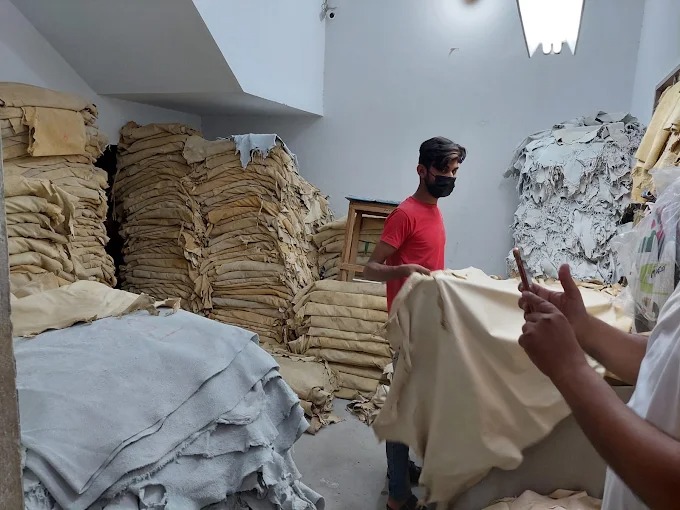
A custom sportswear manufacturer designs, produces, and finishes sports and fitness apparel to a brand’s exact specifications — rather than selling pre-made, generic stock items. This typically covers:
- Design & development — turning a sketch, mood board, or reference image into a technical pattern
- Fabric sourcing — selecting performance materials (moisture-wicking polyester, spandex blends, mesh panels) suited to the sport or activity
- Printing & branding — sublimation printing, screen printing, embroidery, or heat transfer for logos, numbers, and team colors
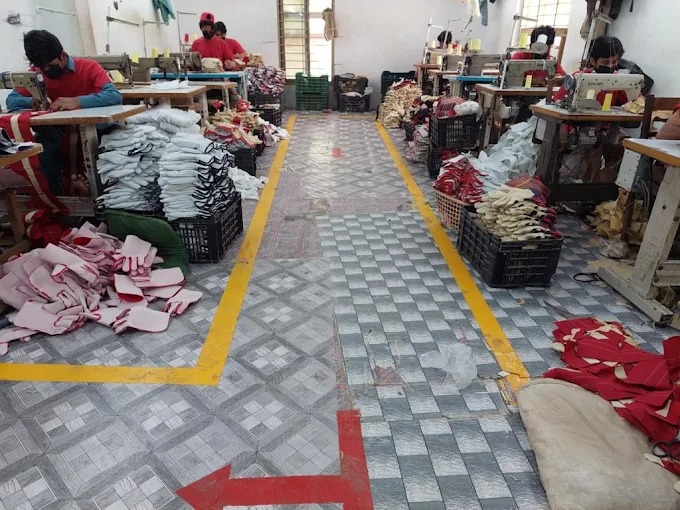
- Cut & sew production — the actual garment construction
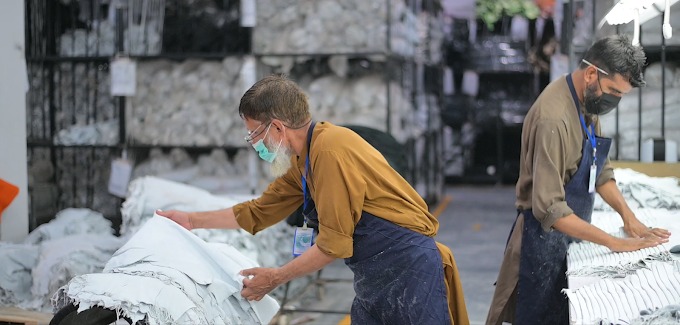
- Quality assurance — inspecting stitching, sizing consistency, and print durability before shipment
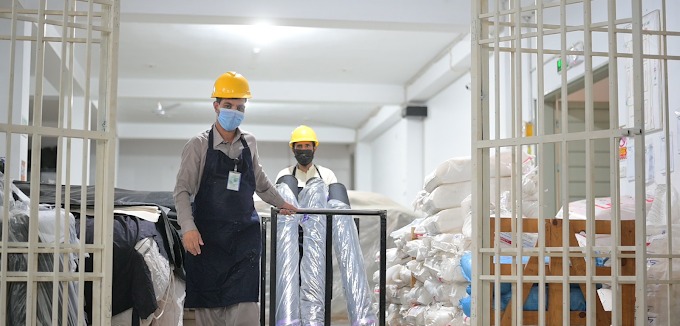
- Packaging & logistics — preparing finished goods for domestic or international delivery
The key word is custom. A generic wholesaler sells you what’s already on the rack. A manufacturer builds what you actually designed — with your colors, your logo, your fit specifications, and your brand identity from the first sample to the final production run.
OEM vs. Private Label: Understanding the Manufacturing Models
Before contacting manufacturers, it helps to know which model you actually need — the terminology gets used loosely, and mismatched expectations cause most early-stage friction.
OEM (Original Equipment Manufacturing)
The manufacturer produces goods strictly to your specifications — your design, your patterns, your fabric choices — and you own the final product outright. This is the standard model for brands that want full creative control over uniforms, team kits, or a signature apparel line.
Private Label Manufacturing
The manufacturer already has base templates, patterns, or product lines developed, and you customize branding, colorways, and minor design elements on top of that foundation. This is typically faster and cheaper to launch than pure OEM, making it a popular entry point for new sportswear brands and startups that don’t yet have the volume to justify fully custom tooling.
Which one you need depends on your stage:
A startup activewear brand testing the market often starts with private label to minimize upfront cost and lead time, then transitions to OEM as volume and brand identity mature.
Why "No Minimum Order Quantity" Matters More Than People Realize
Minimum Order Quantity (MOQ) is the smallest quantity a manufacturer will produce per style, per color, or per order. It’s one of the biggest barriers new sportswear brands face — many overseas factories require 500 to 1,000+ units per style before they’ll even quote a price.
This creates a real problem for:
- Startups testing a new product line without committing to a warehouse full of unsold stock
- Teams and clubs ordering uniforms for a roster of 15–30 players, not a factory production run
- Growing brands wanting to test new colorways or styles before scaling them
Manufacturers who offer no minimum order (or very low minimums, sometimes as low as a single unit for samples) remove this barrier entirely, letting you validate a design, fulfill a smaller team order, or launch a limited drop without overcommitting financially. When evaluating manufacturers, ask directly: “What is your minimum order per style and per color?” — vague answers here are a warning sign of rigid, factory-first (rather than client-first) operations.
Why Sialkot, Pakistan Is a Major Global Hub for Sportswear Manufacturing
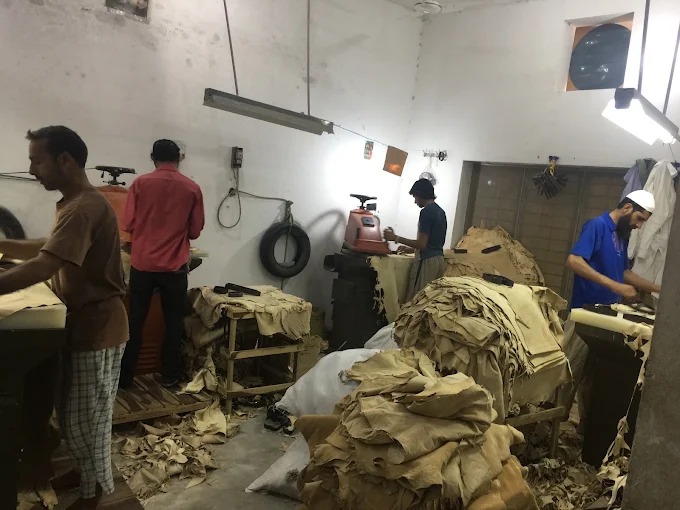
Sialkot has manufactured sporting goods and sportswear for international brands for decades, built on generations of skilled labor in stitching, sublimation, and garment finishing. The city’s manufacturing ecosystem — dense clusters of fabric suppliers, printing specialists, and finishing facilities within close proximity — allows factories based there to offer competitive pricing without sacrificing production quality, which is why many global sports brands and teams source uniforms and activewear from Sialkot-based manufacturers rather than manufacturing domestically.
For brands and teams sourcing internationally, working with an established Sialkot manufacturer typically means access to specialized sublimation printing capability, experienced pattern-making for athletic fits, and export-ready logistics — all developed specifically around the sportswear category rather than general apparel.