Casual Wears Manufacturers
The Complete Guide for Streetwear, Fashion Brands & Startups | Maswiz Industry
Not every apparel brand is built around a sport or a gym. A huge share of new clothing labels are launched around casual wear — t-shirts, hoodies, sweatpants, polos, and streetwear staples — where the product has to compete on fabric feel, print quality, and fit rather than athletic performance. Choosing the right manufacturer for this category is just as decision-heavy as choosing one for sportswear, and the mistakes cost the same: late shipments, inconsistent sizing, and stock that doesn’t match the sample.
This guide covers what actually goes into custom casual wear production, how to think about manufacturing models and order minimums, and why Maswiz Industry, a Sialkot-based manufacturer, is a strong fit for casual and streetwear brands sourcing internationally.
What Does a Custom Casual Wear Manufacturer Actually Do?
Custom casual wear spans everyday apparel — t-shirts, hoodies, sweatshirts, joggers, polos, and casual jackets — produced to a brand’s own specifications rather than pulled from a generic wholesale catalog. The process typically covers:
- Design & pattern development — turning a sketch, mockup, or reference garment into a technical pattern with the right drape and fit
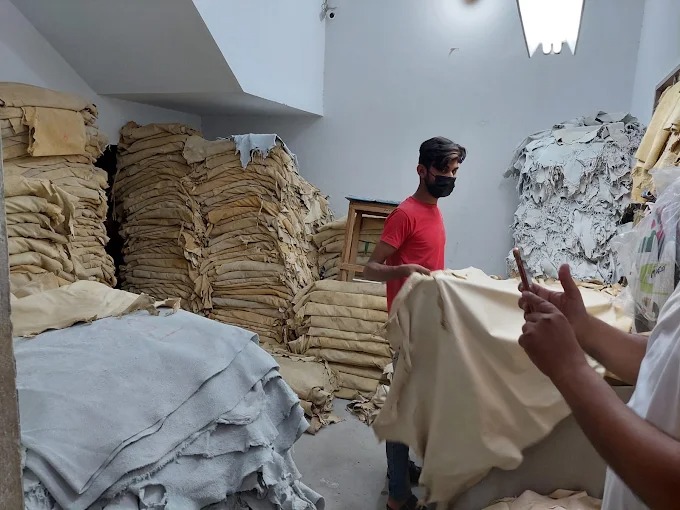
- Fabric sourcing — selecting materials like cotton, cotton-poly blends, fleece, jersey knit, or terry cloth depending on the garment
- Printing & branding — screen printing, DTG (direct-to-garment), embroidery, or heat transfer for logos, graphics, and text
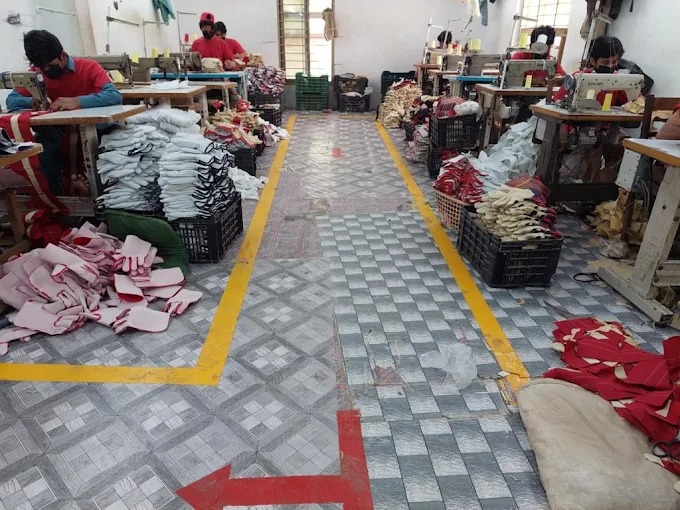
- Cut & sew production — garment construction, including finishing details like ribbed cuffs, drawstrings, and collar work
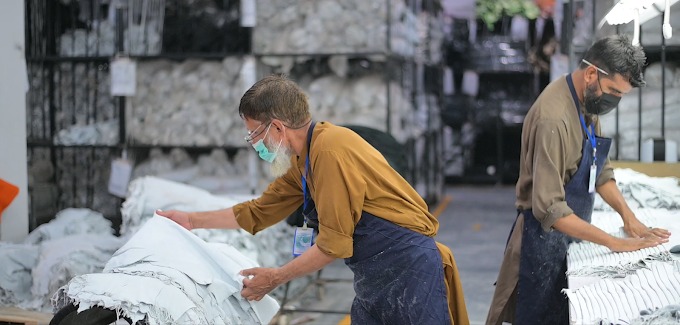
- Quality assurance — checking stitching, colorfastness, sizing consistency, and print/embroidery durability
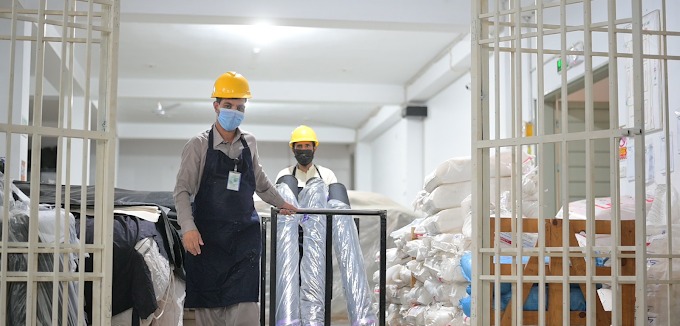
- Packaging & logistics — preparing finished goods for domestic delivery or export
The distinction from buying blank stock is control: a manufacturer like Maswiz Industry builds the garment around your fabric choice, fit, and branding from the first sample onward, rather than handing you what’s already sitting in a warehouse.
OEM vs. Private Label for Casual Wear Brands
The same two production models used across apparel manufacturing apply to casual wear — and picking the right one early avoids most of the friction that trips up new brands.
OEM (Original Equipment Manufacturing)
The manufacturer produces the garment strictly to your specifications — your pattern, your fabric, your branding — and you own the final design outright. This suits brands that already know their fit and want a signature product, like a streetwear label with a specific boxy hoodie silhouette or a custom collar detail. Maswiz Industry works on an OEM basis for clients who arrive with a defined design and want full ownership of the result.
Private Label Manufacturing
The manufacturer already has proven base patterns for common casual items — t-shirts, hoodies, joggers — and you apply your own branding, colorways, and small tweaks on top. This is the faster and cheaper way to launch, which is why most first-time apparel founders and small streetwear brands start here before investing in fully custom tooling.
Which one to choose depends on your stage: a new streetwear brand testing its first drop typically starts private label to keep costs and lead times low, then moves to OEM once a signature fit or fabric blend becomes worth developing from scratch.
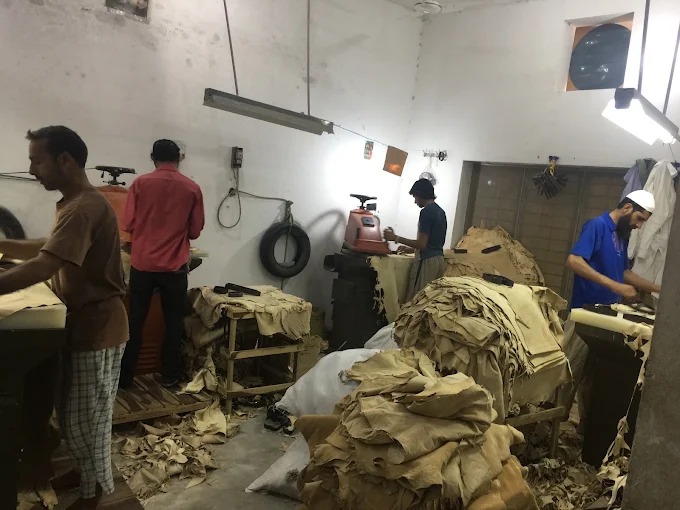
Why Low Minimum Order Quantity Matters for Casual Wear
Minimum Order Quantity (MOQ) is the smallest batch a manufacturer will produce per style or color, and it’s one of the biggest hurdles new casual wear brands run into — many factories won’t quote a price below 500–1,000 units per style.
This creates real friction for:
- New brands testing a design before committing to a full production run
- Small streetwear labels dropping limited-edition colorways that shouldn’t be over-produced
- Growing brands wanting to trial a new fabric or silhouette before scaling it across the full catalog
Manufacturers offering low or flexible minimums remove this barrier, letting a brand validate a design or run a small drop without tying up capital in unsold stock. When talking to any manufacturer — including Maswiz Industry — it’s worth asking directly: “What’s your minimum per style and per color?” A vague answer usually signals a factory built around its own production convenience rather than a client’s actual order size.
Why Sialkot Is a Strong Hub for Casual Wear Manufacturing
Sialkot, Pakistan has built decades of manufacturing expertise around apparel and sporting goods, with deep, generational skill in stitching, printing, and garment finishing. The city’s manufacturing ecosystem — fabric suppliers, printing specialists, and finishing facilities clustered close together — lets factories based there hold competitive pricing without compromising on quality. That combination is why casual wear and streetwear brands increasingly source from Sialkot rather than manufacturing closer to home.
Maswiz Industry operates from within this hub, with access to a wide range of fabric suppliers, in-house printing and embroidery capability, and export logistics built specifically around apparel production.