Accessories Manufacturers
The Complete Guide for Teams, Brands & Retailers | Maswiz Industry
A team kit or apparel line rarely stands alone. Caps, bags, socks, gloves, headbands, and gym accessories round out the brand — and they’re often the items customers buy again and again. Sourcing these well matters just as much as sourcing the core apparel.
Accessories are easy to underestimate. They seem simple compared to a jersey or a legging. But fit, durability, and print quality still make or break them. A poorly stitched bag or a cap that loses its shape after one wash reflects badly on the whole brand.
This guide covers what goes into custom sports accessories production, the manufacturing models worth knowing before you order, and why Maswiz Industry, a Sialkot-based manufacturer, is a strong fit for teams, brands, and retailers sourcing accessories alongside their apparel.
What Does Custom Sports Accessories Manufacturing Actually Involve?
Custom sports accessories cover a wide range of products. Caps and beanies. Duffel bags and backpacks. Socks, wristbands, headbands, and gloves. Each one is built to a brand’s exact specifications, not pulled from a generic supplier’s catalog.
Production typically includes:
- Design & pattern development — turning a concept into a technical pattern, whether it’s a structured cap panel or a padded bag compartment
- Material sourcing — selecting fabrics and components suited to the item, from moisture-wicking sock yarns to durable canvas or nylon for bags
- Printing & branding — embroidery, sublimation printing, woven labels, and heat-transfer logos
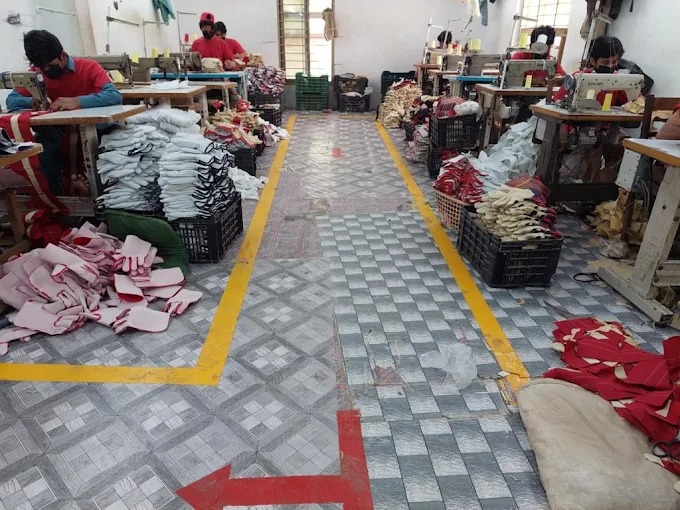
- Cut & sew or knitting production — construction methods vary by product, from sewn bags to knitted socks and molded cap panels
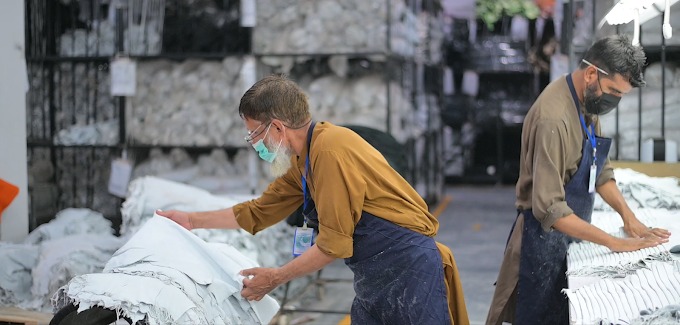
- Quality assurance — checking stitching strength, shape retention, colorfastness, and print or embroidery durability
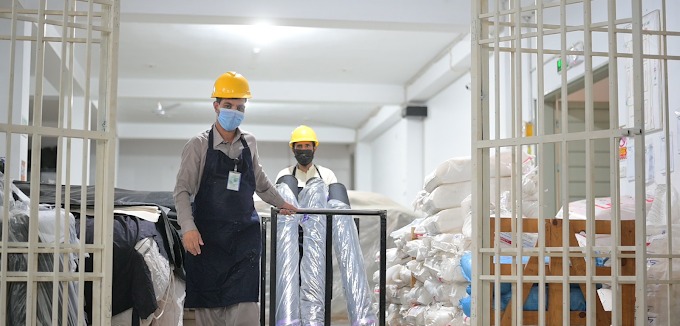
- Packaging & logistics — preparing finished goods for domestic delivery or international export
Working with a dedicated manufacturer like Maswiz Industry means the accessories match the same quality standard as the apparel they’re paired with. That consistency is hard to get when accessories are sourced separately from a different, disconnected supplier.
OEM vs. Private Label for Accessories
The same two manufacturing models used across apparel apply here too. Knowing the difference upfront saves a lot of back-and-forth.
OEM (Original Equipment Manufacturing)
The manufacturer builds the product strictly to your specifications. Your design, your materials, your branding — and you own the finished product outright.
This suits brands and teams that need a specific bag compartment layout, a signature cap shape, or exact color matching to a broader apparel line. Maswiz Industry works on an OEM basis for clients who arrive with a defined design and want full ownership of the result.
Private Label Manufacturing
The manufacturer already has proven base patterns for common accessories — caps, bags, socks. You apply your own branding, colors, and small design tweaks on top.
This route is faster and cheaper to launch. It’s a practical entry point for new brands that don’t yet need fully custom tooling for every accessory item.
Which model fits depends on your stage. A new team or brand often starts private label for accessories to keep costs down, then moves to OEM once specific design details — like a custom bag layout — become worth developing from scratch.
Why Low Minimum Order Quantity Matters for Accessories
Minimum Order Quantity (MOQ) is the smallest batch a manufacturer will produce per item or colorway. For accessories, this matters a lot, since many factories require large batch sizes before they’ll quote a price at all.
This creates real friction for:
- Teams that need caps or bags in exact club colors for a roster-sized order, not a bulk production run
- New brands wanting to test an accessory line before committing to full-scale stock
- Retailers who want to trial a few SKUs before placing a larger reorder
Manufacturers offering low or flexible minimums remove this barrier. A team or brand can validate a design, or fill a smaller order, without tying up capital in excess stock.
It’s worth asking any manufacturer directly — Maswiz Industry included — “What’s your minimum per item and per color?” A vague answer usually points to a factory built around its own convenience, not a client’s actual order size.
Why Sialkot Is a Trusted Hub for Accessories Manufacturing
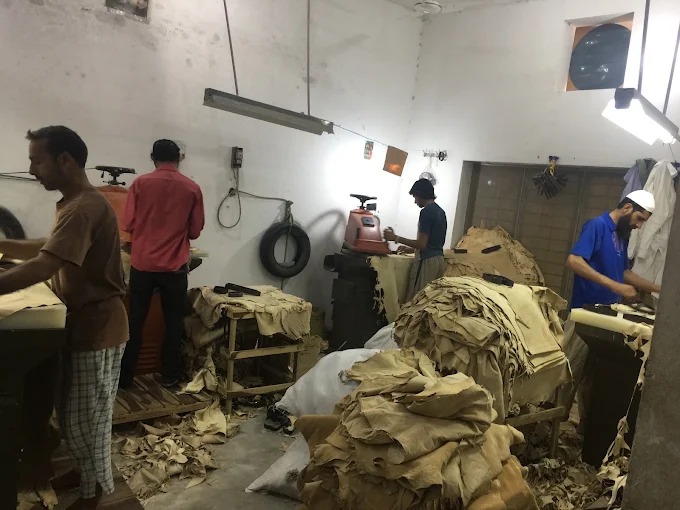
Sialkot, Pakistan has built decades of manufacturing expertise around sporting goods and apparel. Generations of skilled labor here specialize in stitching, embroidery, and finishing work across a wide range of product types — not just clothing.
The city’s manufacturing ecosystem is dense. Fabric and material suppliers, printing specialists, and finishing facilities all sit close together. This lets factories based there hold competitive pricing without cutting corners on quality. It’s a big reason brands and teams worldwide increasingly source accessories from Sialkot alongside their apparel.
Maswiz Industry operates from within this hub. That means direct access to material suppliers for bags and caps, embroidery and printing capability suited to smaller accessory items, and export logistics built specifically for sportswear and accessories together.