Custom Soccer Uniform Manufacturers
How to Choose a Custom Soccer Uniforms Manufacturer (Without Getting Burned)
Every soccer team, at some point, goes through the same exercise: someone on the committee, coaching staff, or brand team says “let’s get our own custom kits made,” and suddenly everyone’s googling soccer uniform manufacturers at 11pm trying to figure out who’s legit.
It’s a bigger decision than it looks like at first. A soccer uniform isn’t just a shirt with a number on it — it’s fabric that has to survive 90 minutes of sprinting, sliding, and sweating, sublimation printing that shouldn’t crack after five washes, and a fit that actually works for a squad of players with completely different builds. Get the manufacturer wrong, and you find out three weeks before the season starts.
So here’s what actually matters when you’re picking one.
It Starts With Understanding What You're Actually Ordering
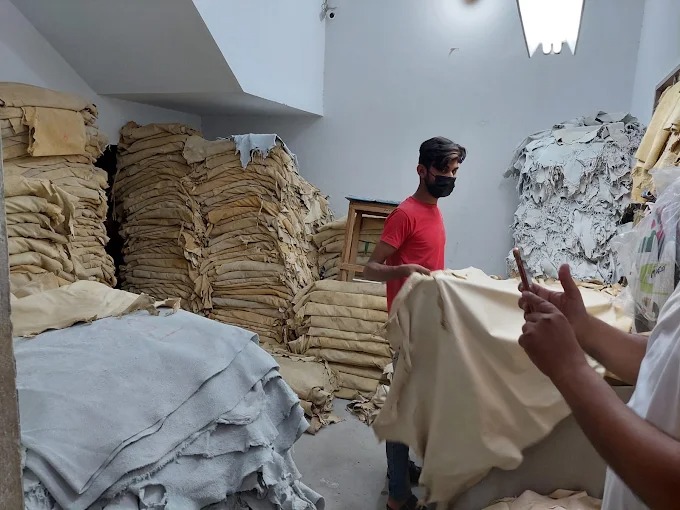
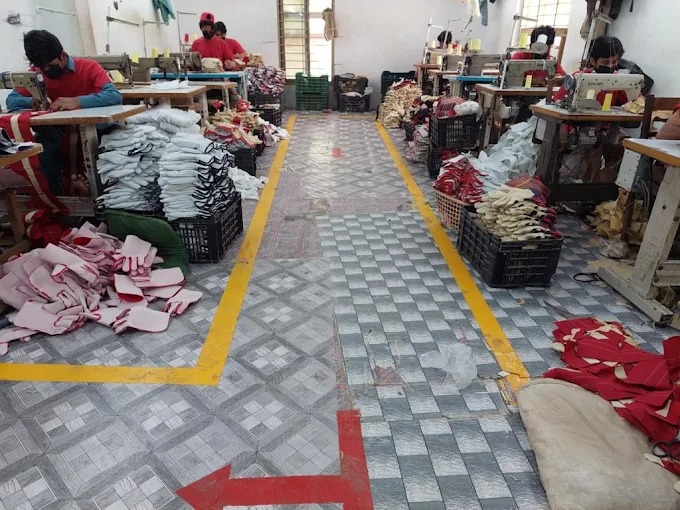
“Custom soccer uniform” can mean very different things depending on who you’re talking to. On one end, you’ve got suppliers who take a generic blank jersey and just print a logo on it. On the other, you’ve got manufacturers who build the uniform from scratch — choosing the fabric weight, cutting the pattern, sublimating the design into the fibers, and stitching everything in-house.
The second kind is what most clubs actually want, even if they don’t always know to ask for it specifically. Full sublimation, for example, means the design is dyed directly into the fabric rather than printed on top of it — which is why a properly sublimated jersey doesn’t crack, peel, or fade the way a screen-printed one eventually does. If a supplier can’t explain the difference between the two when you ask, that’s usually a sign they’re reselling rather than manufacturing.
The Fabric Question Nobody Asks Until It's Too Late
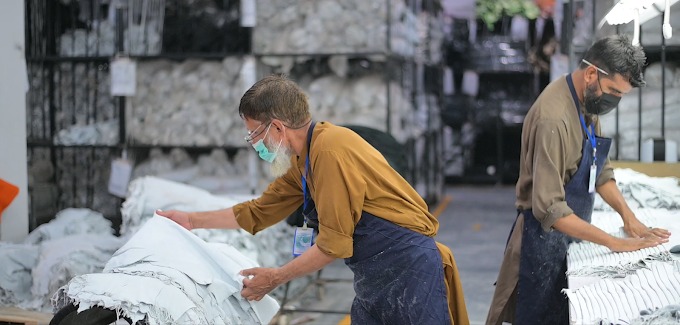
A lot of teams focus entirely on how the jersey looks in the design mockup and skip past the fabric conversation. That’s a mistake, because the fabric is what determines how the uniform actually performs on the field.
Soccer uniforms need to be lightweight and breathable, since players are moving constantly for the better part of two hours. They also need decent moisture-wicking properties — nobody wants a jersey that turns into a heavy, soaked shirt by halftime. And depending on your climate and league, you might want a slightly heavier or lighter fabric weight than the default option a manufacturer offers.
The point is: ask about fabric specifically, don’t just assume it’s handled. A good manufacturer will walk you through weight and material options based on where and how your team plays, not just hand you one default fabric for every order.
Full Kits, Not Just Jerseys
Here’s something that trips up a lot of first-time buyers — a “uniform” is more than the jersey. A full custom soccer kit typically includes:
- Match jerseys (home and away)
- Shorts
- Socks
- Goalkeeper uniforms (which need different padding and fabric than outfield kits)
- Training jerseys and bibs
- Warm-up tracksuits
If you’re only ordering the jersey and sourcing everything else separately, you’re going to end up with mismatched colors, inconsistent branding, and extra shipping costs. A manufacturer that produces the full kit as one coordinated set will save you the headache of trying to match a shorts supplier’s blue to your jersey supplier’s blue.
The MOQ Conversation You Need to Have Early
Minimum order quantities vary a lot between manufacturers, and this is one of the first things worth clarifying before you get emotionally invested in a design mockup you can’t actually afford to produce.
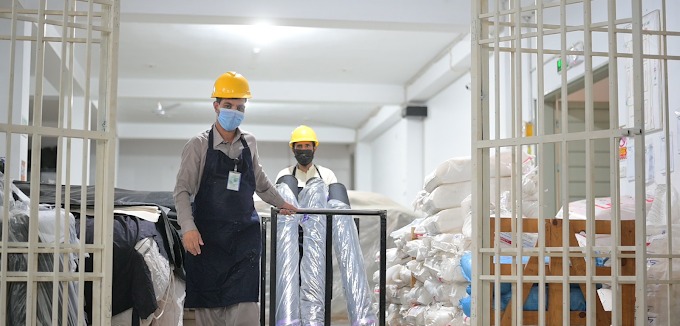
Some factories are built for large club orders — hundreds of units at a time. Others are set up to handle smaller runs for youth teams, school programs, or sportswear brands just getting off the ground. Know roughly how many units you need before you start reaching out, so you’re not wasting time going back and forth with a manufacturer whose MOQ doesn’t match your order size.
Design Revisions Are Where You Learn Who You're Working With
Almost no custom order gets approved on the first mockup. There’s usually a round or two of tweaks — a color that looks different in person than on screen, a logo that needs resizing, a sponsor patch that needs repositioning.
This back-and-forth is actually a useful test. How quickly does the manufacturer respond? Do they push back constructively when something won’t translate well onto fabric, or do they just say yes to everything and hope for the best? A manufacturer that communicates clearly during revisions is one that’s going to communicate clearly if something goes wrong during production, which is worth more than it sounds like at this stage.