Custom Baseball Uniform Manufacturers
How to Choose a Custom Baseball Uniforms Manufacturer (Without Getting Burned)
Baseball uniforms take a beating that most sportswear never has to deal with. Players are sliding into bases, diving for grounders, sweating through nine innings in the sun, and washing the same jersey dozens of times over a season. If the fabric or the stitching isn’t built for that, you find out fast — usually right when a seam gives out mid-season and there’s no time to fix it.
That’s really the core challenge when you’re picking a custom baseball uniform manufacturer: it’s not just about how the design looks on a mockup, it’s about whether the uniform can actually survive a season of real play. Here’s what separates a manufacturer worth ordering from versus one that’s going to leave you dealing with problems in July.
Start With What "Custom" Should Actually Include
A lot of teams go looking for a “custom jersey” and stop there, without realizing a full uniform involves several coordinated pieces. A proper custom baseball uniform manufacturer should be able to produce the whole set as one matched package:
- Jerseys (home and away)
- Pants
- Caps
- Practice jerseys
- Warm-up jackets
If you order your jerseys from one supplier and your caps from another, you’ll almost certainly end up with colors that don’t quite match, fonts that look inconsistent, and a team that looks slightly thrown-together in photos. A manufacturer producing the entire set together avoids that problem entirely, since everything is built from the same color specs and design files from the start.
The Fabric Conversation Matters More Than the Design Mockup
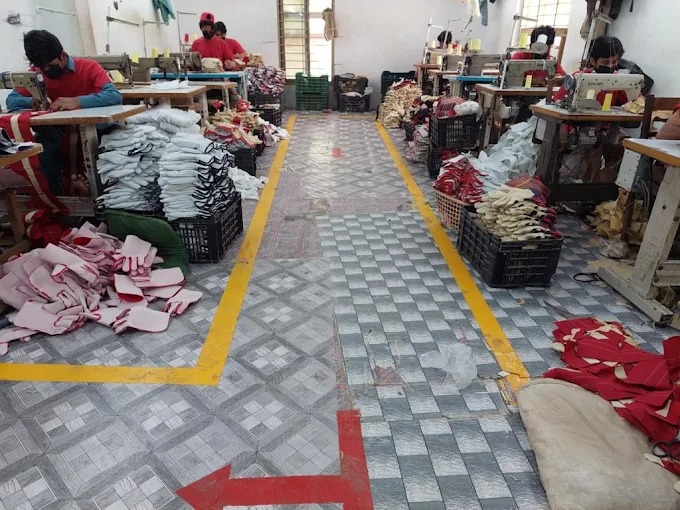
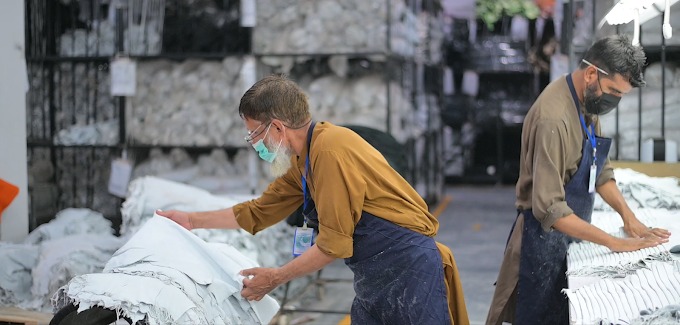
It’s easy to get excited about a jersey design and skip past the fabric question, but fabric is what actually determines how the uniform performs over a season. Baseball uniforms need to hold up to constant sliding, diving, and abrasion — a fabric that’s too thin or too loosely woven will show wear within a few games.
You also want breathability built in, since players are often standing in the sun for hours at a time between innings. And depending on your league and climate, the right fabric weight can vary — a uniform built for a spring league in a mild climate doesn’t need to be identical to one built for a summer league in extreme heat.
A manufacturer worth working with will actually ask about these factors instead of just handing you one default fabric option regardless of your team’s situation.
Sublimation vs. Screen Printing — Ask Which One You're Getting
This distinction matters more than most first-time buyers realize. Screen-printed designs sit on top of the fabric, which means they can crack, peel, or fade with repeated washing — not ideal for a uniform that’s going to get washed after every game for a full season.
Full sublimation printing works differently: the design is dyed directly into the fibers of the fabric itself, so there’s nothing sitting on the surface to peel off. It also allows for more detailed designs, gradients, and full-uniform patterns that screen printing can’t really replicate.
If you’re comparing manufacturers, it’s worth asking directly which method they use — and if a supplier can’t clearly explain the difference, that’s usually a sign they’re not manufacturing in-house.
Little League to Competitive Clubs — The Range Is Wider Than People Expect
There’s a common assumption that custom-manufactured uniforms are only for serious, well-funded programs. In practice, a lot of manufacturing capacity goes toward little league teams, high school programs, and community clubs — not just professional or elite-level teams.
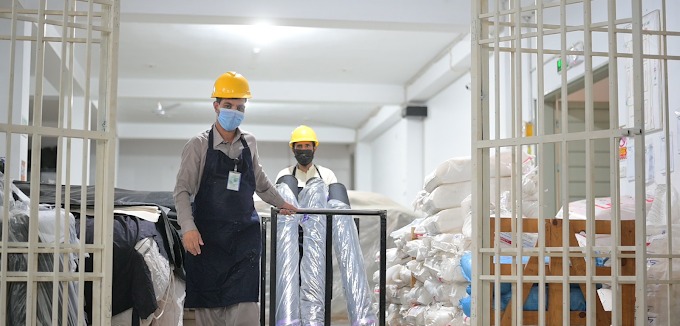
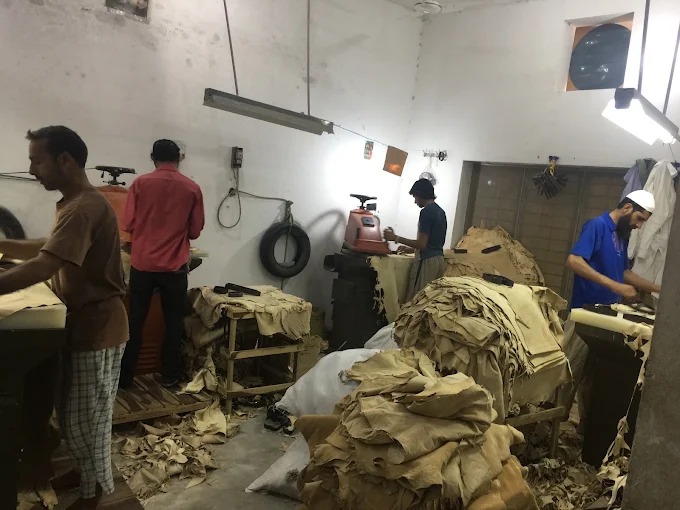
Because established manufacturing hubs can produce at scale, factories are often able to accommodate smaller custom orders at prices that would be difficult to match through local suppliers in the US, Canada, or Europe. That opens up real customization — full sublimation, matched caps, custom numbering — to teams that wouldn’t traditionally think of that as an option within their budget.
Don't Skip the MOQ Conversation
Minimum order quantities differ significantly between manufacturers, and it’s worth sorting this out before you get attached to a specific design. Some factories are set up primarily for large league or club orders, while others can comfortably handle smaller runs for a single team.
Knowing your roster size and expected order volume ahead of time saves you from spending weeks going back and forth with a manufacturer whose minimums don’t match what you actually need.