Custom Basketball Uniform Manufacturers
Choosing a Custom Basketball Uniforms Manufacturer: What Actually Matters
Basketball is a strange sport to design a uniform for, if you really think about it. There’s almost no padding, no long sleeves, no room to hide a bad fabric choice — it’s just a jersey and a pair of shorts, worn by players who are sprinting, jumping, and sweating through 40 minutes with barely a break. Whatever you put your team in has nowhere to hide.
That’s part of why picking the right manufacturer matters more than it seems like it should. A jersey that looks great in a design mockup can still turn out too heavy, too stiff, or too itchy once it’s actually being worn under game conditions. Here’s what’s worth paying attention to before you commit to an order.
Fabric Weight Is Basically Everything Here
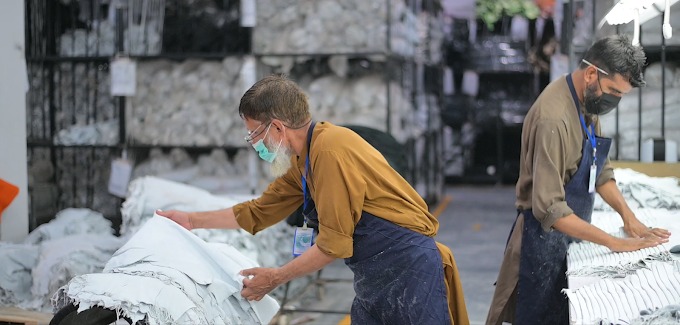
Unlike sports where players wear more layers or heavier fabric out of necessity, basketball uniforms live or die on breathability. Players need something lightweight enough that it doesn’t restrict a full range of arm and shoulder motion, and moisture-wicking enough that it’s not soaked through by the second quarter.
A lot of manufacturers will offer one standard fabric and call it a day. Better ones will actually walk you through weight and mesh panel options — because a uniform for an indoor high school league doesn’t need to perform the same way as one for an outdoor summer league or an AAU circuit playing multiple games a day in the heat.
If a supplier can’t speak to this beyond “it’s polyester,” that’s usually a sign you’re dealing with a reseller, not an actual manufacturer.
Sublimation Matters Even More on Basketball Uniforms
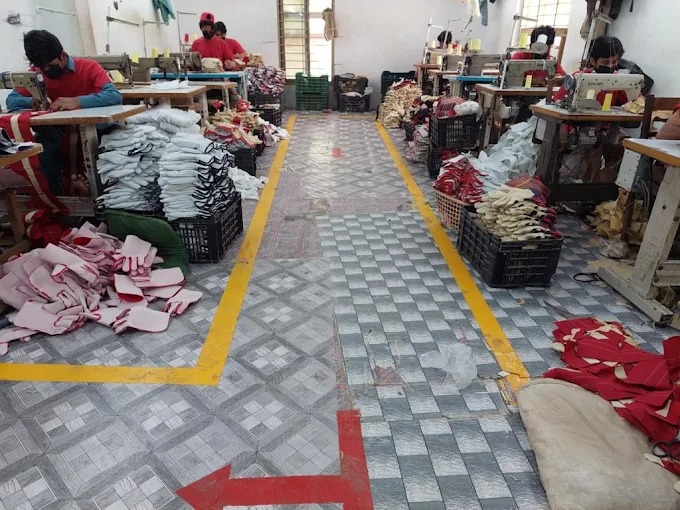
Basketball jerseys tend to have bigger, bolder graphic elements than a lot of other sports uniforms — color blocking, gradients, sometimes full side panels in a different color from the rest of the jersey. That kind of design doesn’t hold up well with basic screen printing, which sits on top of the fabric and is prone to cracking or peeling, especially with the aggressive stretching a basketball jersey goes through during a game.
Full sublimation solves this by dyeing the design directly into the fabric fibers, which means it moves with the fabric instead of sitting on top of it and eventually breaking down. If you’re going for anything beyond a simple logo and number — which most basketball teams are — ask directly whether the manufacturer does full sublimation in-house. That answer alone tells you a lot about the quality you’re going to end up with.
Don't Forget the Practice and Warm-Up Pieces
A complete basketball uniform order usually goes beyond the game-day jersey and shorts. Most programs also need:
- Reversible practice jerseys (for scrimmaging light vs. dark)
- Shooting shirts and warm-up gear
- Team tracksuits
- Replica or fan jerseys, if the program sells merchandise
Ordering these separately from a different supplier than your match jerseys is how you end up with mismatched colors and inconsistent branding across your team’s gear. A manufacturer that produces the full set together — using the same design files and color specs — keeps everything visually consistent without you having to manage multiple vendors.
Reversible Jerseys Are a Good Litmus Test
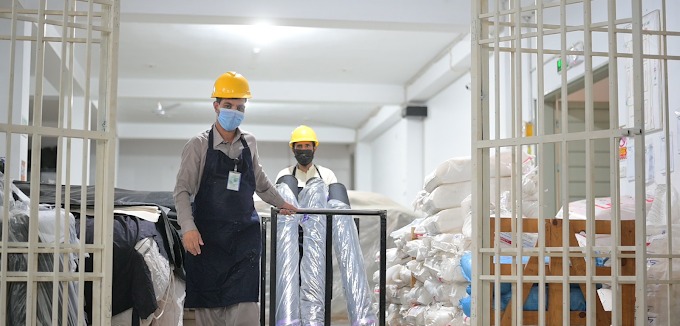
If you need reversible practice jerseys — light on one side, dark on the other — that’s actually a decent way to gauge a manufacturer’s technical capability. Reversible jerseys require more complex construction than a standard single-layer jersey, and not every supplier handles them well. Asking about this specifically, and asking to see a sample, is a quick way to separate manufacturers who can handle more demanding requests from ones that stick to the basics.
MOQ Still Matters, Maybe More Than You'd Think
Basketball rosters tend to be smaller than baseball or soccer squads, which means basketball teams are often ordering fewer units than you’d expect from a “bulk” uniform order. That makes minimum order quantity a real consideration — some manufacturers are built around large club or league orders and aren’t set up (or interested) in smaller runs for a single team.
Ask about MOQ early, before you get attached to a specific design mockup. It’ll save you from finding out three emails deep that a manufacturer’s minimum is double what your roster actually needs.