
How to Approve a Sample Before Bulk Apparel Production
A sample is the last inexpensive moment to change a garment. Once bulk production starts, every fix costs time and money. This guide covers what to check, how to write feedback, and what to lock in before you give the go-ahead.
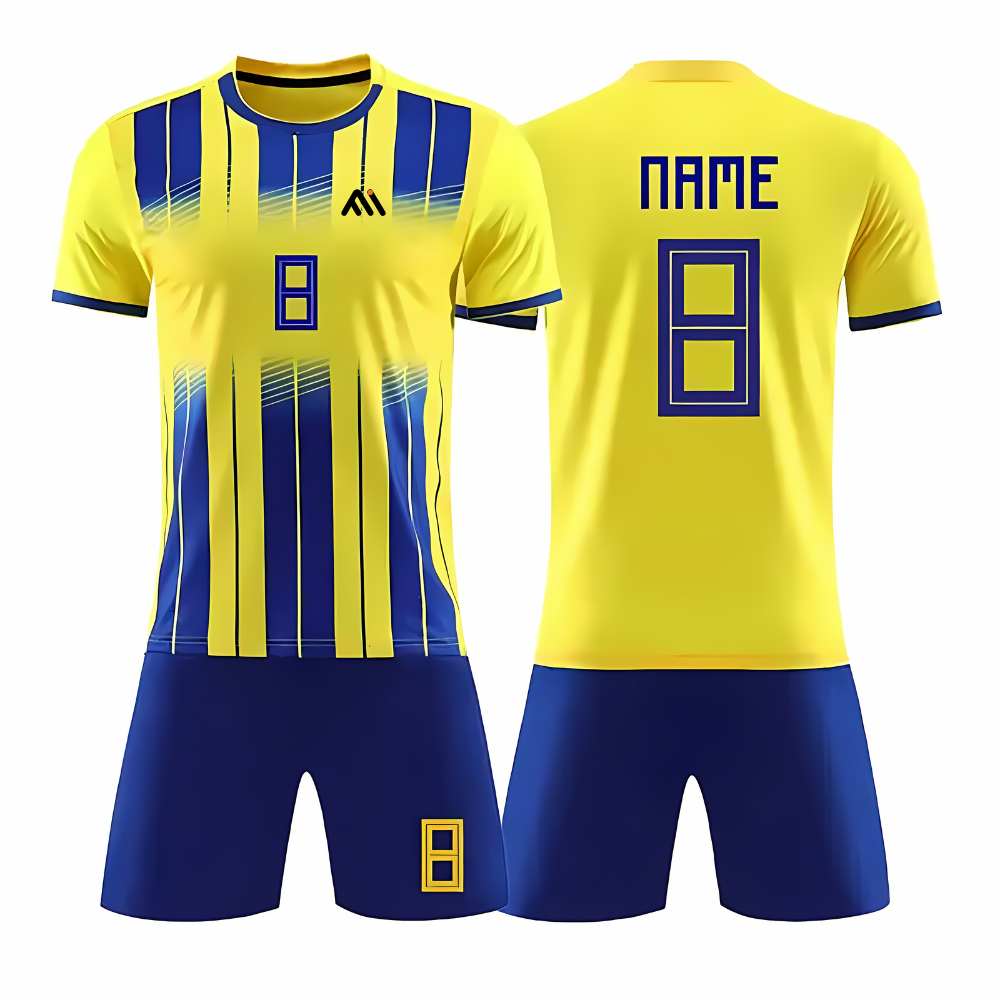
- Judge the sample against a written spec, not only by eye.
- Measure the garment, record every number, and test a wash before you approve.
- Send one consolidated round of feedback with marked-up photos.
- Approve in writing and keep the signed-off sample as the reference for bulk.
Why Sample Approval Matters
When you approve a sample, you are telling the factory that bulk garments should match it. Anything you did not notice, or did not mention, becomes part of what gets produced. A sleeve that runs short or a print that sits two centimetres too low is easy to fix on one piece and expensive to fix on several hundred.
For buyers ordering from overseas, the approved sample also acts as the shared reference. If bulk garments differ later, you can point to the piece you both signed off, rather than arguing from memory or email threads.
Which Sample Are You Looking At?
Factories name their sampling stages differently, so check what you are being sent and what it is meant to prove. A common sequence looks like this:
| Sample stage | Purpose | What to judge |
|---|---|---|
| First or prototype sample | Shows the design and pattern were understood | Overall look, proportions, construction. Colors may be approximate. |
| Fit sample | Checks measurements and how the garment sits on a body | Measurements against your size chart, fit on a person |
| Pre-production sample | Made with the intended fabric, trims and decoration | Fabric, color, print, labels, finishing |
| Approved reference sample | The signed-off piece kept as the benchmark | Used to compare bulk garments |
Not every order uses every stage. Minimum order, lead time and sample terms are confirmed in the quotation, so ask how many sample rounds it covers before you commit. A written tech pack gives each round something concrete to be checked against.
What to Check on the Sample
Work through the sample in the same order every time, and write down what you find. A reliable list covers:
- Measurements. Lay the garment flat and measure chest, length, sleeve, waist and any other point on your size chart. Compare each number with the spec and note the difference.
- Fabric. Check the feel, stretch and weight against what you asked for. Hold light-colored pieces up to a window to see how much shows through.
- Color. Look at it in daylight next to your reference swatch or artwork. Screens show color differently, which is why a written color brief helps.
- Print and decoration. Check placement, edge sharpness and logo size. Stretch the printed area gently and look for cracking or shifting.
- Stitching and seams. Seams should be straight and even, without puckering, and stress points such as underarms and hems should look secure.
- Labels and trims. Confirm label position, wording, size marking, zips and drawcords.
- Names and numbers. If the order includes them, check spelling, font, size and position on every sample piece.
Wash one sample according to its care label before you approve. Shrinkage, color bleed and print behavior show up after a wash, not on a new garment.
How to Write Useful Feedback
Vague comments such as "make it a bit looser" lead to another round. Specific comments close the loop.
- Collect everything first.Have every person who needs to weigh in look at the sample before you reply, so you send one round of comments, not three.
- Mark up photos and measurements.Circle the problem on a photo and state the target number, for example "sleeve length: 62 cm needed, sample is 59 cm".
- List what must stay the same.Say which parts are right. This stops a correct detail from changing by accident.
- Separate must-fix from nice-to-have.The first group blocks approval. The second can be accepted if it saves a sample round.
- Agree how the change will be confirmed.A small tweak may be settled with photos and measurements. A new fabric or color usually needs a new physical piece.
What to Lock In at Sign-Off
Approval should be a written message, not a thumbs-up on a call. State the sample version or date, list any accepted deviations, and name the fixes that were carried out. Then confirm four things in writing:
- The approved sample is the reference for bulk, and the factory keeps one while you keep one.
- The spec or tech pack was updated to match the approved sample.
- The measurement tolerances that apply to bulk garments.
- Which checks happen before shipping, in line with the quality control steps in our manufacturer vetting guide.
If your order is still at the quoting stage, our guide to getting a custom sportswear quote shows which details to have ready so sampling starts from a clear brief.
Common Approval Mistakes
Approving from photos only
Photos hide fabric weight, stretch and true color. For a new fabric or design, handle a physical sample.
Changing the design after sign-off
A new logo size or color after approval means the sample no longer represents the order.
Skipping the wash test
Problems that appear after the first wash are far cheaper to find on one sample than in bulk.
Giving feedback in pieces
Scattered comments across several messages are easy to miss and slow down every round.
Frequently asked questions
How many sample rounds should I expect?
It depends on how complex the design is and how much changes between rounds. Sample terms, including the number of rounds, are confirmed in the quotation.
Can I approve a sample from photos?
For a repeat item with the same fabric and color, photos plus measurements may be enough. For a new fabric, color or decoration, a physical sample is safer.
What if bulk garments differ from the approved sample?
Compare them with the approved reference, photograph the difference, record measurements and raise it straight away. Agreeing tolerances before production makes that conversation easier.
Should I keep the approved sample?
Yes. Label it with the date and order, and store it somewhere safe. It is your benchmark for every later comparison.
Ready to brief a custom order?
Send your designs, quantities and target sizes, and we will confirm minimum order, lead time and sample terms in the quotation.


