
Packing and Labeling Bulk Apparel Orders for Retail
A garment can be made perfectly and still cause trouble at the warehouse door if the packing is wrong. This guide covers what to specify for polybags, size and barcode labels, and cartons so your order can be received and shelved without rework.
- Packing is specified at three levels: single unit, inner pack and master carton.
- Each level needs its own label, and the labels must agree with each other.
- Barcodes, size stickers and carton marks should be approved on a sample, not described in words.
- Ask your retailer or warehouse for its routing or compliance guide before you write the brief.
The Three Levels of Packing
Bulk apparel is packed in layers, and each layer is handled by a different person. The factory packer, the freight handler, the warehouse receiver and the store associate all read different labels. Specify all three levels in your brief instead of leaving the packing method to chance.
| Level | What it is | Who reads it | What to specify |
|---|---|---|---|
| Single unit | One garment, usually folded in a polybag or hung on a hanger | Store staff and the end customer | Bag type, folding method, size sticker, barcode, hang tag |
| Inner pack | A set number of units in one bag or bundle, often one size | Warehouse pickers | Units per pack, size and style on the outside |
| Master carton | The shipping box holding many inner packs | Freight handlers and receiving dock | Carton size, units per carton, size ratio, carton mark, weight |
The same logic applies if you sell through your own website. A tidy single-unit pack means faster picking and fewer returns caused by damaged or mixed-up items.
What Goes on Each Garment
Unit-level labeling is where most disputes start, because several items sit on or near the garment and any of them can be wrong. Keep them separate in your mind:
Sewn-in labels
The neck or side-seam label carries your brand, size and usually care instructions. Fiber content and country of origin are commonly required in sale markets such as the USA, UK and EU, but the exact wording rules differ by market. Confirm them with your compliance advisor before you finalize label artwork. Our guide to private label labels and hang tags explains how to brief these items.
Hang tags and price tickets
Hang tags carry branding and sometimes price or a barcode. Decide the attachment method, such as a loop or a barb, and where the tag sits. For a visual reference, the navy backpack ART# MI-8202 is shown with a hanging tag.
Barcode and size stickers
Retail barcodes are normally UPC in North America and EAN in the UK and Europe, and both come from GS1 numbers that the brand owns. The factory cannot invent these for you, so send the number list and a sample label. Size stickers on the polybag help staff find the right unit without opening the bag.
Polybags
Choose a bag size that fits the folded garment without crushing it. Many markets expect a suffocation warning on polybags above a certain opening size, so check the rule for your destination and print the warning if it applies.
Carton Marking and Packing Lists
Cartons are labeled for people who will never see the garment inside. A useful carton mark is short and consistent. Most buyers ask for these fields:
- Brand and style name or number
- Color and the size breakdown inside the carton
- Units per carton and carton number out of the total, such as 3 of 40
- Purchase order number
- Gross weight and carton dimensions
- Destination or consignee name
The packing list should match the carton marks line by line. If the list says 24 mediums and the carton says 20, the receiving team has to open and count, and that delay is billed to you. A clear size ratio per carton, for example the same split of S, M, L and XL in every box, makes counting faster and allocation easier. Our sizing and fit guide helps with the size split itself.
Retailer and Marketplace Rules
Large retailers and online marketplaces publish their own routing or compliance guides. These documents set label positions, carton size limits, pallet rules and fines for errors. Your packing brief should follow that document, not a general template. If you sell into a chain, request the guide before you place the order, and send the relevant pages with your purchase order.
Shipping terms also affect packing. Who arranges freight, and where responsibility changes hands, changes how much protection cartons need. Our article on shipping apparel from Pakistan to the USA and UK covers Incoterms in general terms, and your freight forwarder should confirm duties and local rules.
What to Put in Your Packing Brief
Write the packing instructions as part of the order, next to colors and sizes. A short document is enough:
- Unit packFold style, polybag type, warning text if required, and whether garments are hung or flat.
- Labels and stickersPlacement drawings for the sewn-in label, hang tag, size sticker and barcode, with the barcode numbers attached.
- Inner packsUnits per bag or bundle and whether each bundle is one size or mixed.
- Master cartonsMaximum carton weight, units per carton, size ratio and the carton mark layout.
- DocumentsThe packing list format and any retailer routing guide pages that apply.
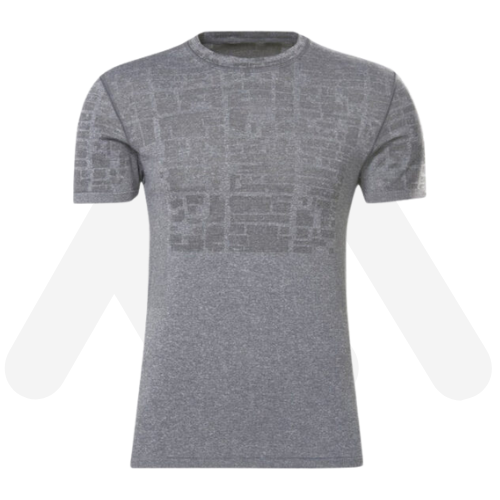
You can see how a finished range looks in the catalogue. For example, the navy and white colour-block hoodie ART# MI-8604 and the grey marl tee ART# MI-8404 would each need their own folding method and bag size, since a hoodie takes far more volume than a tee. Packing options, minimum order, lead time and sample terms are confirmed in the quotation.
Common Packing Mistakes
Barcode does not match the style
A wrong digit means a unit cannot be scanned. Check the first printed label against your number list.
Mixed sizes in one inner pack
Pickers then open every bag. Decide whether packs are single size or ratio packs and say so.
Oversized or overweight cartons
Heavy boxes are hard to handle and may break retailer limits. State a maximum weight.
Labels described but never approved
Placement written in words gets read differently. Approve a photo of a sample unit.
Checking Packing Before Shipment
Treat packing as part of quality control, not an afterthought. Before cartons are sealed, ask for photos of one unit pack, one inner pack and one open carton showing the size ratio. Compare them with the brief, then compare the carton marks with the packing list. The same habit that protects fit and print quality protects the receiving process. See our guide on OEM, ODM and private label manufacturing for how packaging and labels fit into a private label order.
Frequently Asked Questions
What is a size ratio in bulk apparel packing?
It is the split of sizes inside each carton, for example the same number of S, M, L and XL in every box. A fixed ratio makes counting and store allocation faster.
Do I need barcodes on every garment?
Many retailers and marketplaces require a scannable barcode on every unit, usually on a sticker or hang tag. Check the buyer's rules, and supply your own barcode numbers to the factory.
Can I choose my own labels and packaging?
Private label orders can include your own labels and hang tags. Packing requirements, minimum order, lead time and sample terms are confirmed in the quotation.
Who decides carton size and weight?
You do, based on your retailer or freight forwarder. State a maximum carton weight and the units per carton in your brief.
Ready to Plan Your Order?
Send your styles, sizes, quantities and packing requirements. Maswiz Industries will review the brief and reply with the next steps.


